|
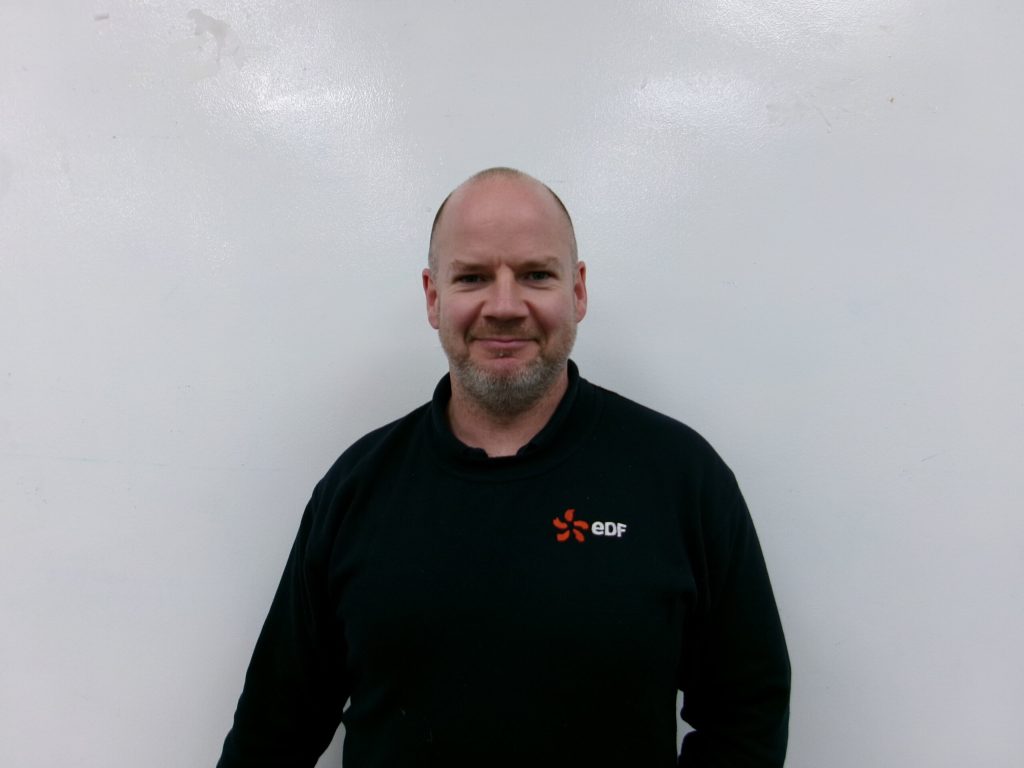
 The NVQ Level 6 Diploma in Occupational Health and Safety Practice is designed for a different type of professional. It’s designed for those already working in a health and safety role, to recognise the skills and knowledge they need to do their job every day. Ryan Ramsden started studying with ACT in March 2025, and officially achieved his NVQ in May 2026. We spoke to him about why he chose this pathway, his biggest challenges and where he hopes to take his career next.
What made you choose to pursue the Level 6 NVQ over other similar qualifications?
I already held a NEBOSH National General Certificate and IOSH Managing Safely, both of which are strong, well-respected qualifications. But after around 15 years working in estates and facilities management, I wanted something that reflected the depth and breadth of experience I had actually built up in practice. The Level 6 NVQ felt like the right fit because it is competence-based rather than purely academic. It asks you to demonstrate what you can do, not just what you know. For someone operating at a senior level across a complex multi-school environment, that distinction matters. I was also conscious that the qualification sits at the same level as a degree and aligns with IOSH graduate membership, which gives it real professional weight.
What is your current job role and what does it involve?
I am the Head of Estates and Facilities at Rivers Church of England Trust, a multi-academy trust based in Worcestershire. The role covers everything from statutory compliance and planned preventive maintenance through to capital project delivery, procurement, and team leadership. On any given week I might be overseeing a fire compliance upgrade at one school, reviewing a condition survey tender, managing contractor relationships, supporting site staff through a hub model I have developed, and reporting on compliance performance to the Chief Finance and Operations Officer. The breadth of the role is one of the things I find most engaging. No two days are the same, and the stakes are real because the buildings I manage are where children learn every day.
NVQs provide a different, more independent pathway compared to traditional classroom-based qualifications. What part of this did you find most beneficial?
The ability to use my own workplace as the learning environment was genuinely valuable. Rather than working through generic scenarios or case studies that may or may not reflect reality, I was producing documents and demonstrating competencies rooted in the actual challenges I face at Rivers. My CPD planning unit resulted in a real 12-month development plan mapped to IOSH competency areas. My health and safety culture unit produced a Climate Assessment Report and a Culture Improvement Plan that I have applied in the Trust. The independence of the NVQ means you must take ownership of your learning in a way that a taught course does not demand. That suits me. I work better when I can connect theory directly to practice.
What advice would you give others considering an NVQ?
Start with a clear picture of the evidence you already hold. Most people who have been working at a senior level for several years are sitting on far more relevant material than they realise. Past reports, audits, project records, meeting notes, CPD logs: all of it can form the basis of strong portfolio evidence. The second piece of advice would be to treat the units as genuine development opportunities rather than boxes to tick. The temptation is to get through the work as quickly as possible, but the units that pushed me hardest, particularly around health and safety culture, produced outputs I am genuinely proud of and that have added real value in my organisation. Finally, do not underestimate the time commitment. Life carries on around you while you study and planning makes a significant difference.
What were some of the challenges you faced in your studies?
Time, primarily. I was managing a demanding workload across a growing trust, including several concurrent capital projects, while completing the qualification. There were periods where progress slowed because other priorities had to come first. The challenge was maintaining momentum and not losing the thread of what I was working towards. I also found some of the more reflective units required a different kind of thinking to what I do day to day. I am operationally focused by nature, so slowing down to analyse and articulate my own practice in depth took deliberate effort. In hindsight, that effort was worthwhile because it sharpened how I think about my own development.
What influence did your studies have on your day-to-day work responsibilities as you progressed?
There was a fairly direct feedback loop. As I worked through units, I found myself looking at aspects of my role with fresh eyes. The health and safety culture work in particular prompted me to think more carefully about how safety behaviours are embedded across the Trust and what systemic improvements I could make, rather than just reacting to incidents as they arose. I developed a more structured approach to safety culture assessment and used that thinking to improve how we communicate compliance expectations to site teams. The CPD planning unit also reinforced good habits around continuing development that I have carried forward since completing the qualification. The studies did not sit in isolation from the job: they fed directly into it.
What do you hope to have achieved in the next 5 years?
I want to continue developing as a facilities and estates professional at a senior level, whether that is in the education sector or in a broader commercial environment. I am interested in roles where I can lead teams, influence strategy, and make a tangible difference to the built environment and the people who use it. Achieving Fellowship Level at IWFM is an immediate goal now that the qualification is complete. Beyond that, I want to develop my understanding of sustainability and decarbonisation in the built environment, which is an increasingly important area for any organisation managing a large property portfolio. I am also keen to develop my team, to leave behind structures and ways of working that will continue to deliver for the Trust long after I have moved on.
The NVQ gave me the formal recognition that my experience deserved and I do not say that lightly. For people who have built their careers through practice rather than through a traditional academic route, having a Level 6 qualification that validates the depth of your competence is genuinely meaningful. I would encourage anyone who has been working at a senior level in health, safety, or facilities for several years to consider whether this pathway might be right for them. The qualification does not change what you already know. It gives you the evidence, the framework, and the professional credibility to demonstrate it.
Created by City & Guilds, Delivered by ACT
The City & Guilds NVQ Level 6 Diploma in Occupational Health and Safety Practice is an established and respected bachelor’s degree level qualification for those working in a health and safety role. There is no taught programme or exams – instead, candidates put together an online portfolio containing evidence of workplace-based tasks and activities carried out in their day-to-day job that meet a set of qualification criteria. If evidence does not fully meet requirements candidates simply adapt their work and resubmit it until it demonstrates their competence.
To find out more, speak to a member of our Customer Advice Team today: